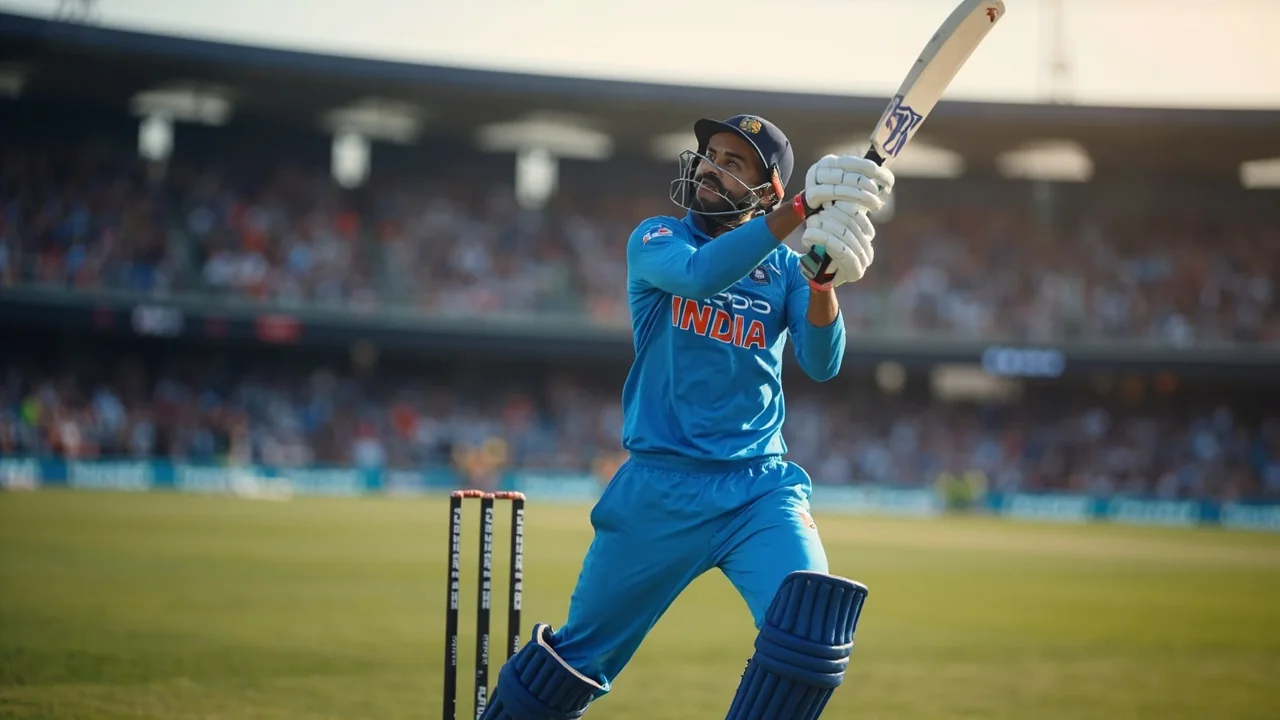
What this retrospective covers
- Series state and why the Lord's decider matters
- Venue and start time: the broadcast window
- Where to watch the match on TV and online
- England predicted XI: Brook's first full series as captain
- India predicted XI: Sundar out, Dube in, FAQ shape
- Joe Root's second-ODI 99: the series equaliser
- Odds and the Rohit shadow: what the market priced in
- What a decider outcome meant for the broader build-up
- Frequently asked questions
Series state and why the Lord's decider matters
The three-match ODI series between England and India sat at 1-1 heading into the Lord's finale on Sunday 19 July 2026. India had taken the opening match at Edgbaston by six wickets, applying the kind of controlled chase that has become a feature of their white-ball batting in the last two years. England hit back in the second ODI at Sophia Gardens in Cardiff, where Joe Root's unbeaten 99 anchored the chase and forced the rubber into a final-game shootout.
That shape gave the Lord's match a useful profile before a ball was bowled. India needed a series win to convert the Edgbaston blueprint into a sustained statement on English soil, with the 2027 World Cup planning cycle already underway inside the dressing room. England needed a result to confirm the gains made under Harry Brook's first full series as captain and to keep the Ahmedabad-style chase vocabulary alive in their batting group.
For neutral viewers, a one-match decider at the Home of Cricket also carried a different kind of weight. Lord's compresses every conversation about conditions, broadcast windows and team news into a single afternoon, and the fixture was the third major India men's ODI in England inside twelve months. Reading the dossier as a record of how both sides approached it, rather than as a prediction, keeps the retrospective honest about what the preview could and could not say.
Venue and start time: the broadcast window
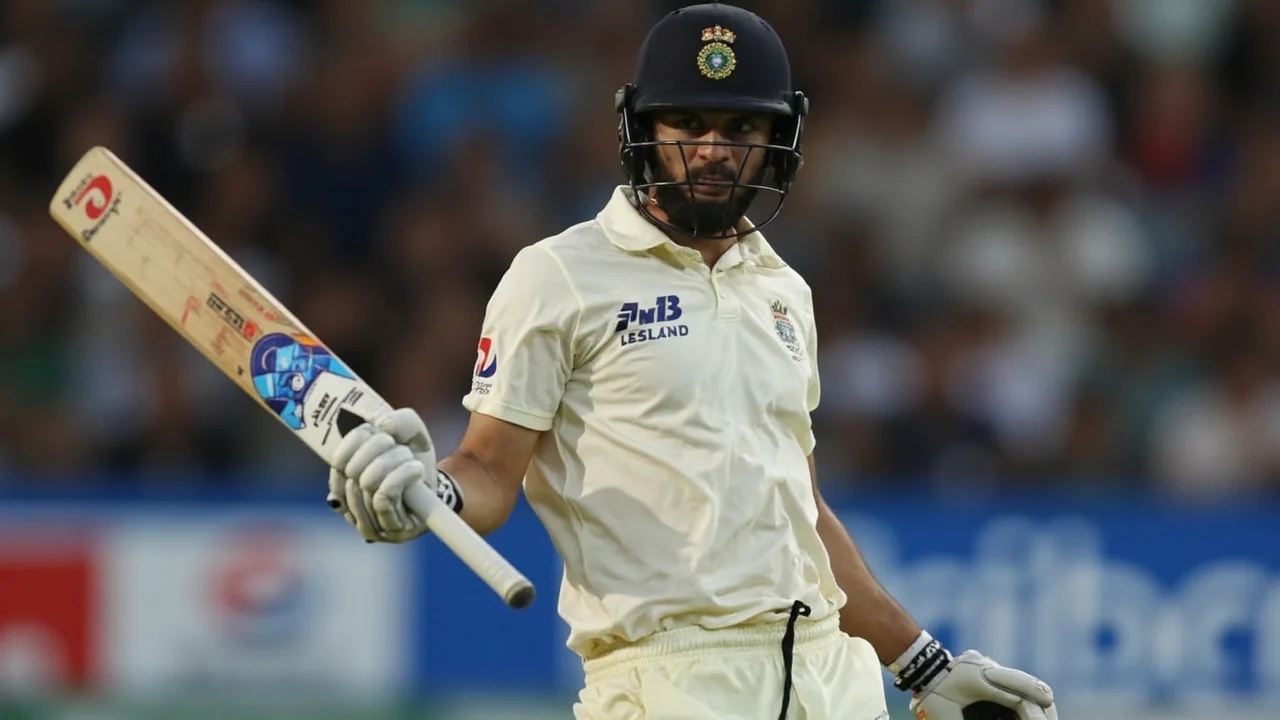
Play was scheduled to begin at 11:00 local time (BST) on Sunday 19 July 2026, which lined up with 15:30 IST in India and 19:30 AEST for the small Australian audience following the tour. The Lord's gates were open several hours earlier, with the typical ODI crowd filling the Tavern and Warner stands ahead of a noon toss.
Lord's in mid-July produces predictable conditions for an ODI: a flat deck that rewards batters who work the ball into gaps, a square boundary that is shorter than at most Test grounds, and an outfield that runs quickly once the morning cloud lifts. The winning template in recent years has been to bat second under lights with dew on the grass, which both captains referenced in their pre-match media interaction on the Saturday.
For Indian viewers the practical start of the day was 9:00 IST, when the Sony Sports Network's pre-match show went to air. The toss happened roughly an hour before the first ball, with both captains confirming the playing XI during the formal reading of the teams. Watching the ground from home through SonyLIV or JioHotstar was the closest most readers could get to the actual match-day temperature and pitch behaviour.
Where to watch the match on TV and online
Indian television rights for India's tour of England in 2026 remained with the Sony Sports Network, the long-standing partner for premium cricket in the country. The 3rd ODI aired on Sony Sports 1 in English and Sony Sports 3 in Hindi, with Sony Sports 5 carrying the regional feed through the morning and afternoon blocks.
Online streaming was split between SonyLIV for the standalone subscription route and JioHotstar as the bundled mobile-network option for Jio and select partner-ISP customers. Both platforms carried the same feed, with multi-camera switching, ball-tracking replays and the official DRS overlay visible on the second-screen experience. For viewers outside India, the ECB's broadcast partners in the UK and elsewhere carried the Test-and-ODDI match on their own schedules.
The free alternative for Indian users was the JioHotstar mobile-only tier, which has emerged over the last two years as the lowest-friction way to watch premium cricket on a phone. The sound and picture quality on the mobile tier is identical to the full subscription on SonyLIV, and the only limitation is screen size. For fantasy players building teams on Halaplay during the match, that mobile tier was often the only practical option because the team lock happens inside the same window as the toss.
England predicted XI: Brook's first full series as captain
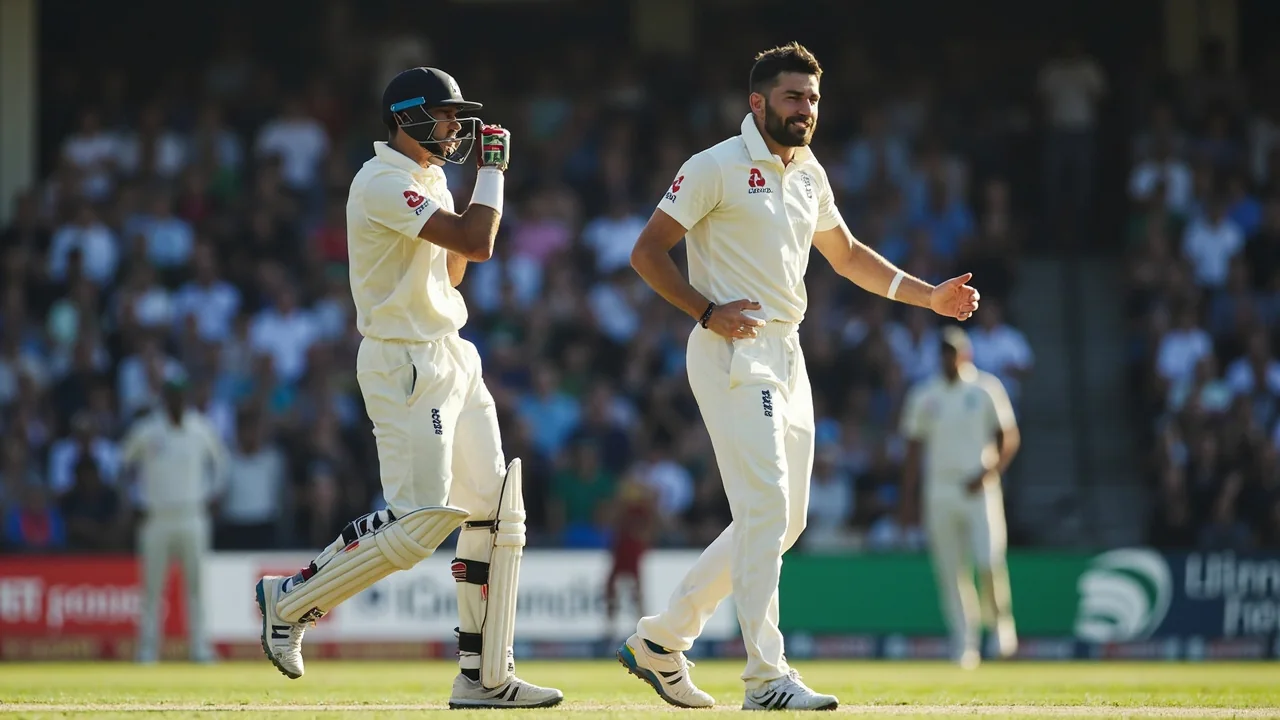
England's predicted XI for the Lord's decider was published as: Ben Duckett, Jacob Bethell, Joe Root, Harry Brook (c), Jos Buttler (wk), Sam Curran, Will Jacks, Liam Dawson, Jofra Archer, Adil Rashid and Brydon Carse. The side is the clearest statement yet of what the Brook-Trott combination wants an ODI innings to look like: seven batters, four bowlers, two of them with serious batting depth.
Three names stand out. Jacob Bethell at number two signals a long-term view on a player who has produced useful starts without yet completing a match-winning innings; moving him up the order against the new ball is a deliberate investment in left-hand-right-hand matchups against Jasprit Bumrah. Will Jacks at seven gives England a second spinner if the surface grips, but more importantly gives them a player who can score against pace in the middle overs without sacrificing a bowling option.
The four-man pace group of Curran, Archer, Dawson's partner in the spin slot and Carse is built on attrition rather than mystery. Archer and Carse provide the new-ball and death threat; Curran is the swing-and-control option; Rashid is the wicket-taking spinner for the middle phase. Brook was captain for the third ODI in succession and had already shown a willingness to bowl his full quota of seam overs before turning to Rashid, a pattern the touring squad will have noted from the Cardiff chase.
India predicted XI: Sundar out, Dube in, FAQ shape
India's predicted XI for the Lord's decider was listed as Rohit Sharma, Shubman Gill (c), Virat Kohli, Shreyas Iyer, KL Rahul (wk), Axar Patel, Shivam Dube, Kuldeep Yadav, Gurnoor Brar, Jasprit Bumrah and Prasidh Krishna. The shape was identical to the Edgbaston opener except that Washington Sundar was absent and Shivam Dube was back in the XI as an all-rounder who can bowl a few overs of medium pace in the middle phase.
The BCCI confirmed Washington Sundar had been ruled out of the decider with the side strain he picked up in Cardiff. It is a knock-on absence that matters because Sundar gave India a left-arm spin option and a calm lower-order batter. Bringing Dube back in keeps the all-rounder slot but changes the skill profile: Dube offers left-handed hitting against pace but does not replace Sundar's overs, which means Axar Patel carries a heavier spin load and Kuldeep Yadav's spell becomes more important against the right-handed top three.
Gurnoor Brar's selection at number nine was the quiet headline of India's squad. The young pacer has been part of the A squad for the last twelve months and was confirmed in the XI only after the final training session at Lord's, replacing the injured Sundar in the eleven. Together with Bumrah and Prasidh Krishna, Brar completes a three-man pace unit that lets India ignore the new ball until Bumrah is rested, an approach the captain Shubman Gill endorsed in his pre-match press conference.
Joe Root's second-ODI 99: the series equaliser
Joe Root's unbeaten 99 at Sophia Gardens in Cardiff was the single most important contribution of the series to that point. Batting through a chase that wobbled at the start and then settled into a controlled partnership with Harry Brook, Root scored his runs at a strike rate above 90 and finished the match without being dismissed. It is the kind of innings that reframes a senior batter's role without anyone needing to label it: the chase anchor, the calm middle-order presence, the option to fall back on when the new-ball batters fall early.
For England the second-ODI 99 mattered because Root had spent the previous winter being asked whether his ODI game still belonged in the side. The Cardiff innings answered that question in the same way a long, controlled chase does: with bat speed, placement and the willingness to take the run rather than the boundary. It also gave Brook a captaincy reference point for the decider: when the chase needed a steady head, Root already had the runs.
For India the 99 was a warning about what Root does to a tiring attack in the middle overs. Brar, Krishna and Bumrah have done this chase pattern before and recovered; the Lord's surface was expected to behave similarly. The series-equalising effort left India needing to decide whether to keep Kuldeep in the powerplay or save him for Root and Brook, a tactical question that shaped the bowling rotation through the middle phase.
Odds and the Rohit shadow: what the market priced in
Pre-match prices on Bet365 and Dafa-style outlets listed England around 1.83-1.84 and India around 1.95 for the Lord's decider, with the customary caveat that odds were correct at time of publication. India were a small outsider in a fixture they had every reason to want, which is a fair price for a side that had won the Edgbaston opener but had to do it again with a changed combination.
The odds also reflected the persistent shadow of speculation over Rohit Sharma's international future. The Yahoo dossier records that the BCCI denied this would be his final match, but the speculation was loud enough in the days before the decider to push his player-markets tighter than his recent ODI record alone would justify. For fantasy players reading the preview, that overlay mattered less than the toss and the surface, but it shaped how the team-news conversations ran across the Saturday preview shows.
Market prices on the toss, the highest opening partnership and the match aggregate were more useful to fantasy players than the match-winner odds. Opening the India innings with Rohit and Gill against Archer and Carse was a fifty-fifty proposition on a flat track; the actual lineups produced a sharper read on the powerplay template than any expert column could. That is the kind of detail that survives a retrospective even when the result does not.
What a decider outcome meant for the broader build-up
Regardless of who took the Lord's match, the decider sat inside a larger 2026 build-up for both sides. India were already planning around the 2027 ODI World Cup and had used the Edgbaston opener as a quiet audition for several players outside the established XI. England, under Brook, were trying to convert a settled Test side into an ODI unit that could defend their home record against the full-strength touring sides over the next eighteen months.
For readers building Halaplay teams, the value of the preview was never the winner. It was the alignment of broadcast time, predicted XIs, broadcast partners and the surface read into a single window. The dossier did the same job for fantasy teams that the commentary box does for casual viewers: it translated a mass of pre-match information into a small set of useful inputs before the first ball.
That is also the right way to read this retrospective now. The decider was played, the result sits with the official scorecards, and the lasting reference value of the preview is the team-news alignment and the broadcast partner detail. Anything beyond that belongs in the post-match wrap, not in the match-day preview. Both teams move forward from Lord's into a longer 2026 cycle, and the baseball-style discipline of separating pre-match context from post-match result is what keeps that cycle useful for fantasy players and for the editorial record.
Frequently asked questions
When does the England vs India 3rd ODI 2026 start?
Play was scheduled to start at 11:00 local time (BST) on Sunday 19 July 2026, which is 15:30 IST. The fixture was listed as the third and final ODI of India's tour of England.
Where is the 3rd ODI being played?
Lord's Cricket Ground in London. England and India are playing the decider after India won the opener at Edgbaston by 6 wickets and England levelled at Sophia Gardens in Cardiff.
How can Indian fans watch the match live?
Indian TV rights sit with the Sony Sports Network, with live streaming on SonyLIV and JioHotstar. Coverage followed India's earlier matches on the tour.
What is England's predicted XI for the Lord's decider?
Ben Duckett, Jacob Bethell, Joe Root, Harry Brook (c), Jos Buttler (wk), Sam Curran, Will Jacks, Liam Dawson, Jofra Archer, Adil Rashid and Brydon Carse.
What is India's predicted XI for the Lord's decider?
Rohit Sharma, Shubman Gill (c), Virat Kohli, Shreyas Iyer, KL Rahul (wk), Axar Patel, Shivam Dube, Kuldeep Yadav, Gurnoor Brar, Jasprit Bumrah and Prasidh Krishna. Washington Sundar has been ruled out of the decider by the BCCI.
Who were England vs India 3rd ODI 2026 favourites?
Pre-match prices on betting exchanges such as Bet365 and Dafa listed England around 1.83-1.84 and India around 1.95 for the Lord's decider, with the customary caveat that odds were correct at time of publication.
What did Joe Root do in the second ODI?
Joe Root scored an unbeaten 99* at Sophia Gardens in Cardiff to anchor England's series-levelling chase. It was the match-winning contribution in the second ODI.
Read more from the Players desk
For deeper player audits and World Cup build-up, browse the rest of the Halaplay players coverage, our fantasy cricket pages and the cricket news desk.
Last updated: 19 July 2026. Match-day preview written before play began; the result itself is held in the official scorecard and tournament record, not in this retrospective.