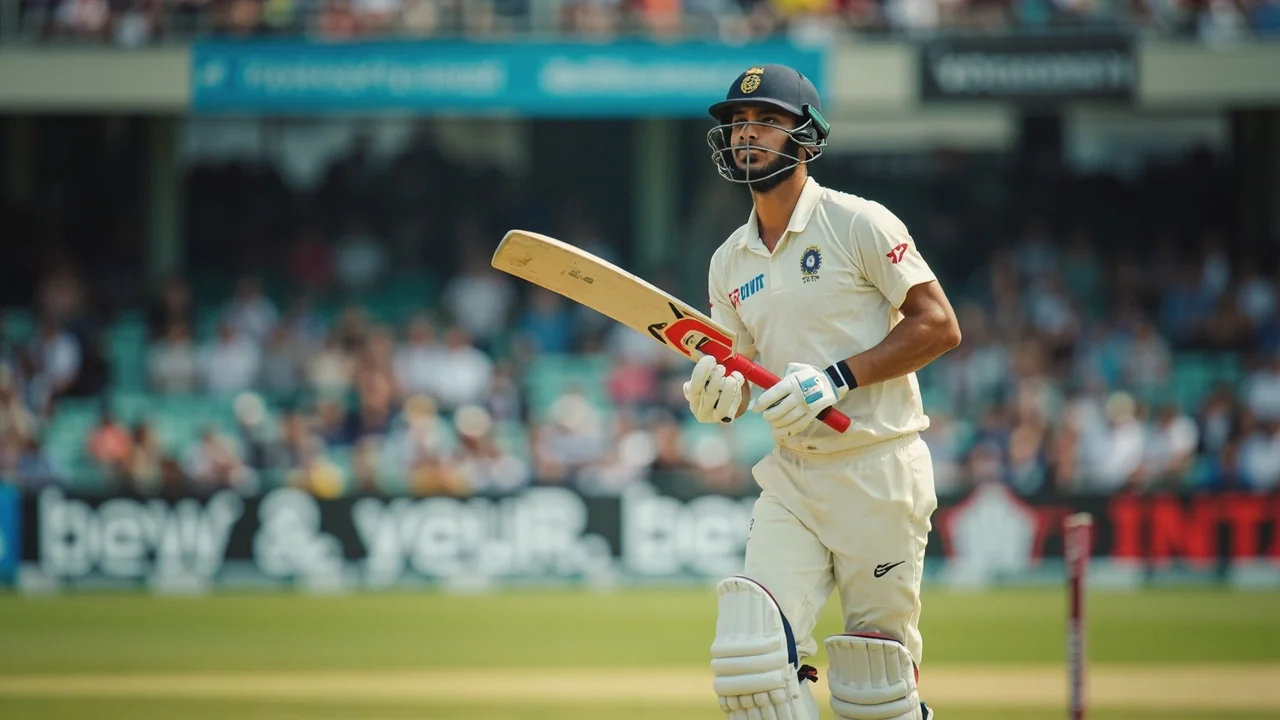
What this retrospective covers
- The baseline: 85 versus 100, the career numbers stated cleanly
- Why the record now rests on ODIs alone
- The 27-match window: India's FTP roadmap to the 2027 World Cup
- Breakdown of the 85: a format-by-format read
- The 52.64 versus 48.52 argument, and what it does not change
- Recent ODI form: the reality check on the 15-hundred chase
- What the record would mean for fantasy teams on Halaplay
- Frequently asked questions
The baseline: 85 versus 100, the career numbers stated cleanly
On 16 July 2026, the 85-versus-100 picture was the cleanest way to frame the chase. Sachin Tendulkar finished his career with 100 international centuries from 782 innings across 664 matches, scoring 34,357 runs and 164 fifties at an average of 48.52. Virat Kohli's career record to that date stood at 85 international centuries from 627 innings across 560 matches, with 146 fifties, 28,220 runs and an average of 52.64. The gap is 15 centuries, derived from 100 minus 85.
Those numbers, read together, produce a more interesting picture than the headline alone. Kohli averages a century roughly every 7.4 innings across formats, Tendulkar roughly every 7.8 innings. Kohli's average is more than four runs higher per innings, even though the centurions count is the metric Tendulkar's record is measured on. The arithmetic suggests Kohli's fewer centuries have been marshalled more economically, but the mark itself is a count, not a rate, and a count is what Kohli has to chase.
Reading the two careers side by side is also a reminder of how long Tendulkar's run lasted. He played 200 Tests, 463 ODIs and 1 T20I across 24 years at the top, and the 100 centuries were accumulated across the full three formats. Kohli's three-format splits of 123 Tests, 312 ODIs and 125 T20Is show a much shorter Test stay and a more compressed T20I career. The 15-century gap is real, but the math behind each total is not the same shape.
Why the record now rests on ODIs alone
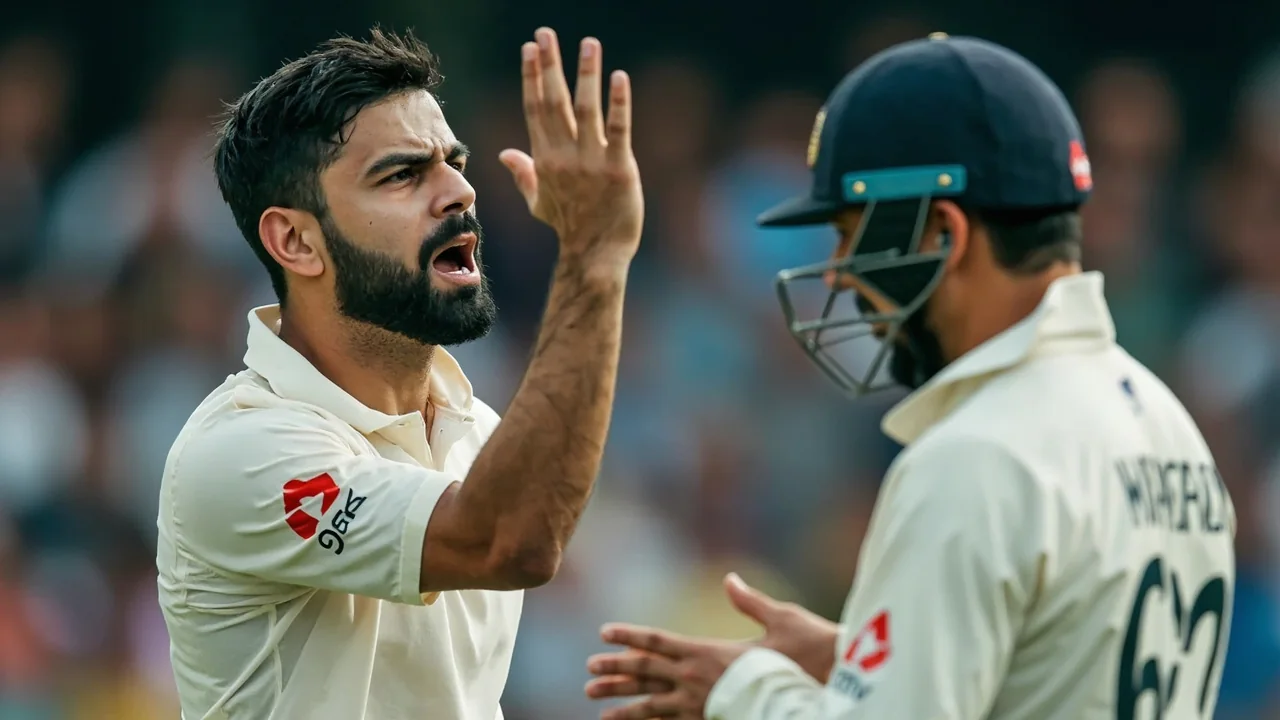
The format-specific question is the hinge of the whole dossier. Kohli announced his Test retirement on 12 May 2025, walking away from the 123-Test career that produced 30 of his 85 international centuries. He had already retired from T20Is after India's 2024 T20 World Cup win, leaving the 125-match T20I career as a closed book. The international format still open to him is the 50-over ODI, where 312 matches have produced 52 of his 85 centuries.
That is the entire playing field now. The 15-century gap has to be closed from ODI innings alone, with no fresh supply from Tests or T20Is. The arithmetic forces a clear accounting: of the 52 ODI centuries so far, 30 came from innings Kohli will never bat again in red-ball cricket, and the remaining Tests and T20I centuries are not replaceable. Any century after 16 July 2026 comes from the 50-over side.
The narrowness of the road is part of what makes the question interesting. Tendulkar's 100 spanned the 1990s, the 2000s and the early 2010s, padded with Test runs and ODI runs in roughly equal measure. Kohli's chase sits inside a single format, in a playing career that has explicitly closed two of three doors. The 2027 ODI World Cup is widely expected to be his last international tournament, and the FTP roadmap decides how many opportunities he has to convert the 15 into 100.
The 27-match window: India's FTP roadmap to the 2027 World Cup
India's Future Tours Programme, as captured in the source dossier, scheduled 15 ODIs before the 2027 ODI World Cup in South Africa. If India reach the Final, Kohli would play up to 27 ODI matches in that window, which is the equivalent of needing roughly 15 more centuries to match Tendulkar. The arithmetic is unforgiving: one century every two matches across the entire run.
That ratio is the heart of the chase. Across 312 ODIs to 16 July 2026, Kohli averaged a century every six ODI innings. The FTP window asks for almost twice that rate, in a narrower stretch of matches, against teams that are preparing specifically for the 2027 World Cup conditions in South Africa. The 27-match ceiling is generous only when measured against the 15 ODIs scheduled before the World Cup; in practice, India's selection patterns and Kohli's own form will dictate how many of those 27 matches he actually plays.
There is also a structural reality: the FTP window is not a controlled experiment. India are scheduled to tour England in July 2026 for an ODI series that will land inside the same calendar week as the dossier, and a West Indies home series in September-October 2026 lies just ahead of the 2027 World Cup prep block. The 15 pre-tournament ODIs include those fixtures, plus an Asia Cup-style ODI block, plus the South Africa squaring-up that often comes in the immediate run-in to a World Cup in the same country. Each of those series is a venue Kohli has scored ODI centuries in before, and each is a venue where the pitch and conditions can lift or compress his scoring rate.
Breakdown of the 85: a format-by-format read
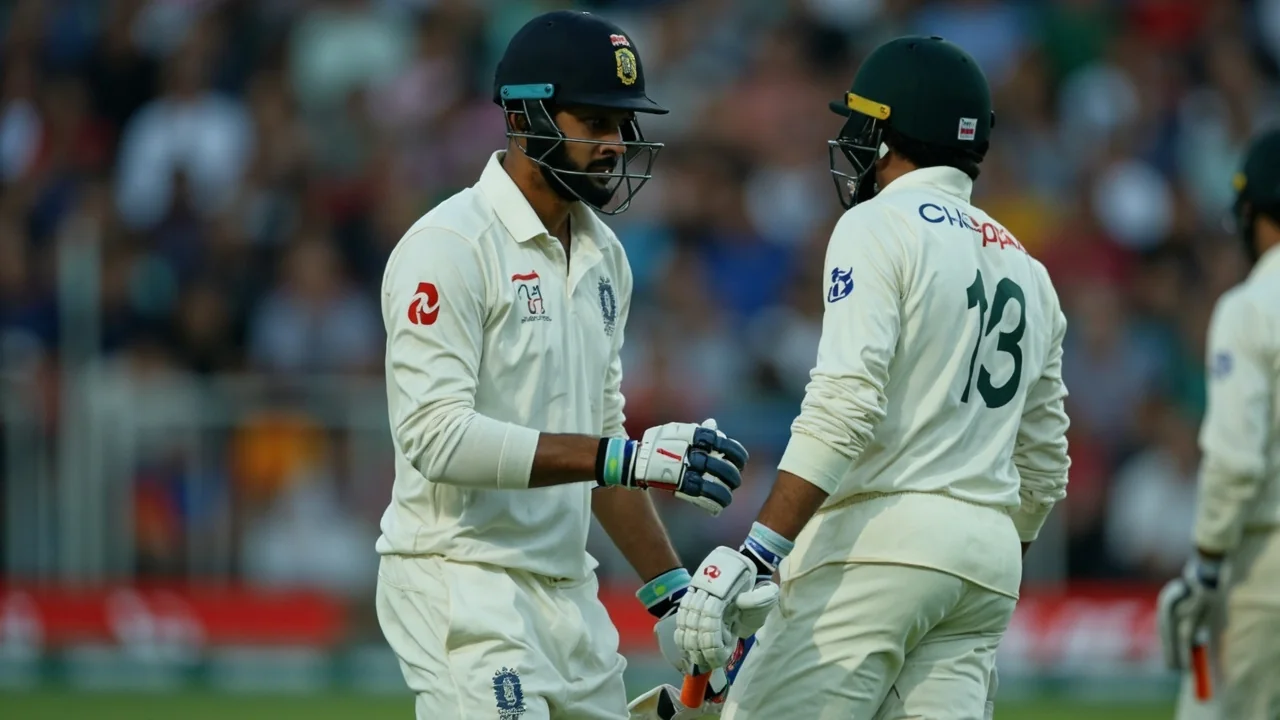
The 85 figure is a sum of three careers, and the splits shape the chase. Before his Test retirement, Kohli had scored 30 Test centuries from 123 matches, 52 ODI centuries from 312 matches, and 3 T20I centuries from 125 matches. The Test 30 represented 35% of the total, the ODI 52 represented 61%, and the T20I 3 represented the remaining 4%. Tendulkar's splits were 51 Test centuries, 49 ODI centuries and 0 T20I centuries, in a career that barely intersected with the shortest format.
That contrast is the cleanest way to see why the 15-century gap is structurally different from the chase. Tendulkar built his record on a roughly 50-50 Test-ODI split, with Tests doing a lot of the heavy lifting. Kohli's record is already skewed heavily toward ODIs, and the format still open to him is the one where he has scored most of his centuries. The architectural shift since 2024, when he left T20Is, and since 12 May 2025, when he left Tests, has moved the chase into a single lane.
The T20I 3 is a small but distinctive slice. Kohli scored them at a strike rate north of 130, and they were milestones of efficiency rather than weight. For the chase to 100, the T20I lane is closed. The Test lane is closed. The ODI lane is the only one that matters, and the FTP count tells the reader how many cars of ammunition sit in the lane before the 2027 World Cup ends.
The 52.64 versus 48.52 argument, and what it does not change
The Kohli-versus-Tendulkar average argument is the kind of comparison that surfaces in every talk-show chyron. Kohli's 52.64 is higher than Tendulkar's 48.52, and the gap is large enough that the average alone could be read as a verdict. The dossier does not settle the argument, and it does not need to: the record is measured in centuries, not in averages, and the average is a sentence about consistency, not about the count.
What the average does change is the underlying logic of the chase. A higher average across a shorter career means Kohli has spent fewer innings at the crease per century, which is why his rate of centurions per innings is comparable to Tendulkar's even though his total is lower. The arithmetic suggests that if his average holds and his access to ODI innings stays at the front of the order, the 15-century gap is the kind of gap a long, healthy ODI career can theoretically close. The FTP window is the second variable.
What the average does not change is the format. The 100-century mark is 100 centuries, and 15 still need to be scored in ODI cricket. A 52.64 average makes the task more plausible than a 35 average would, but it does not retire Tendulkar's record. The reader who follows the chase honestly is the one who reads the average as a hint about plausibility, not as a verdict on the record.
Recent ODI form: the reality check on the 15-hundred chase
India's recent ODI results between October 2025 and June 2026 read as a sequence that does not flatter the chase. India lost to Australia 2-1 away in October-November 2025, beat South Africa 2-1 at home in November-December 2025, tied 1-1 with New Zealand at home in January 2026, and beat Afghanistan 3-0 at home in June 2026. The dossier does not quote Kohli's individual innings in those series, but the team-level picture matters because series outcomes shape selection patterns and middle-order roles that bear on a top-order batter's century count.
The England ODI series in July 2026 and the West Indies home series in September-October 2026 sit at the front of the FTP window. The England tour is the harder of the two, with English seam-friendly conditions and the World Cup preparation cycle already underway inside the dressing room. The West Indies series is the more predictable run-glut, with spin-friendly surfaces and home advantage. Together, the two series sit at the door of the FTP window and shape the credibility of the 27-match maximum before the 2027 World Cup.
Reading the form honestly, the chase to 100 is best framed as a probability question rather than a destiny. The 15-century gap is mathematically closeable in the FTP window, but the FTP window is not a guaranteed ceiling. It is the published maximum number of ODIs India will play. Kohli's actual innings count will be filtered by selection, by form, by niggle and by the playing conditions at each venue. The retrospective's job is to keep the dossier visible, not to declare a winner.
What the record would mean for fantasy teams on Halaplay
For fantasy players building teams on Halaplay during the rest of Kohli's ODI career, the chase is a useful frame and a misleading one in equal measure. The useful frame is the captaincy math: a top-order batter with a stated goal of 15 centuries in 27 ODI matches will bat with a specific intent at the top of the order, and that intent shows up in the powerplay scoring rate, in the chase scoring rate and in the willingness to bat through the innings. The misleading frame is the count itself: fantasy points are not awarded per century, and a 45-ball 80 can outscore a 110-ball 124 if the milestone points are not in play.
The Halaplay-side takeaway is closer to a discipline than a captaincy rule. A vintage Kohli ODI century on the road to 100 looks like a 110+ ball innings with controlled boundary pressure through the middle overs, and Halaplay's scoring rewards exactly that. A 35-ball 70 that runs out of partners in the 30th over looks explosive but often scores lower in fantasy points than a 100-ball 80 by the same batter. The career chase helps fantasy players read intent, but the team selections should still be anchored to confirmed XI, batting position, target, toss and pitch report, not to a story.
It is also worth noting that the FTP road is competitive with itself. If Kohli is named in the same XI as one of the young top-order batters emerging in the post-T20 World Cup India squad, the role assignments will be parsed every match. The Halaplay team-building cycle already accounts for that; the chase to 100 just adds another variable to the conversation. The retrospective frames the chase, the FTP window reads the schedule, and the rest is the honest work of match-by-match reading.
Frequently asked questions
How many international centuries has Virat Kohli scored, and how does that compare to Sachin Tendulkar's 100?
As of 16 July 2026, Kohli had 85 international centuries, 15 behind Sachin Tendulkar's all-time 100. Tendulkar's career record stood at 100 centuries from 782 innings across 664 matches; Kohli's career record stood at 85 centuries from 627 innings across 560 matches.
How many ODI matches does India play before the 2027 World Cup?
India's Future Tours Programme scheduled 15 ODIs before the 2027 ODI World Cup in South Africa. If India reach the Final, Kohli would play up to 27 ODI matches in that window, which is the equivalent of needing roughly 15 more centuries to match Tendulkar's 100.
When did Kohli retire from Test and T20I cricket?
Kohli announced his Test retirement on 12 May 2025 and had previously retired from T20Is after India's 2024 T20 World Cup win. ODIs are his only remaining international format.
How does Kohli's career average compare to Tendulkar's?
Kohli's career international average was 52.64, higher than Tendulkar's 48.52. The gap is normal for a shorter career against a longer one and does not change the centurions count, which is the metric Tendulkar's record is measured on.
What is Kohli's ODI format breakdown?
Kohli had played 312 ODIs by 16 July 2026, against 123 Tests and 125 T20Is. Tendulkar's format breakdown was 200 Tests, 463 ODIs and 1 T20I.
What were India's recent ODI results before the dossier was filed?
India lost to Australia 2-1 away in October-November 2025, beat South Africa 2-1 at home in November-December 2025, tied 1-1 with New Zealand at home in January 2026, and beat Afghanistan 3-0 at home in June 2026. Upcoming series include England in July 2026 and West Indies in September-October 2026.
Is the 2027 ODI World Cup expected to be Kohli's last tournament?
Yes. The 2027 ODI World Cup in South Africa is widely expected to be Kohli's last international tournament. Kohli was 37 at the time of the 16 July 2026 publication.
Read more from the Players desk
For deeper player audits, format-by-format reads and the rest of the Halaplay players coverage, browse the fantasy cricket pages and the broader cricket news desk. The 15-century chase to 100 is a story the FTP window will keep rewriting, and the Halaplay players coverage tracks it through every series.
Last updated: 16 July 2026. Career totals, FTP schedule and the 2027 World Cup roadmap are quoted from a Yahoo Sports / The Sporting News feature by Saino Zachariah filed on 16 July 2026. India's recent ODI results and the post-2026 series calendar are taken from the same dossier. The 100-century mark remains a count, not a forecast, and the retrospective is constrained to the dossier's published facts.