Table of contents
- Kohli's 675-run season: the verified baseline
- Why the chase-anchor angle is fresher than another form guide
- Opportunity share: why top-order balls built the floor
- Captain versus vice-captain: floor, ceiling and contest size
- Venue and innings order: the post-toss adjustment
- Powerplay matchup audit: where the captaincy risk lived
- Building a balanced Halaplay XI around Kohli
- A seven-check Halaplay workflow before locking the team
- What IPL 2026 did—and did not—prove
Kohli's 675-run season: the verified baseline
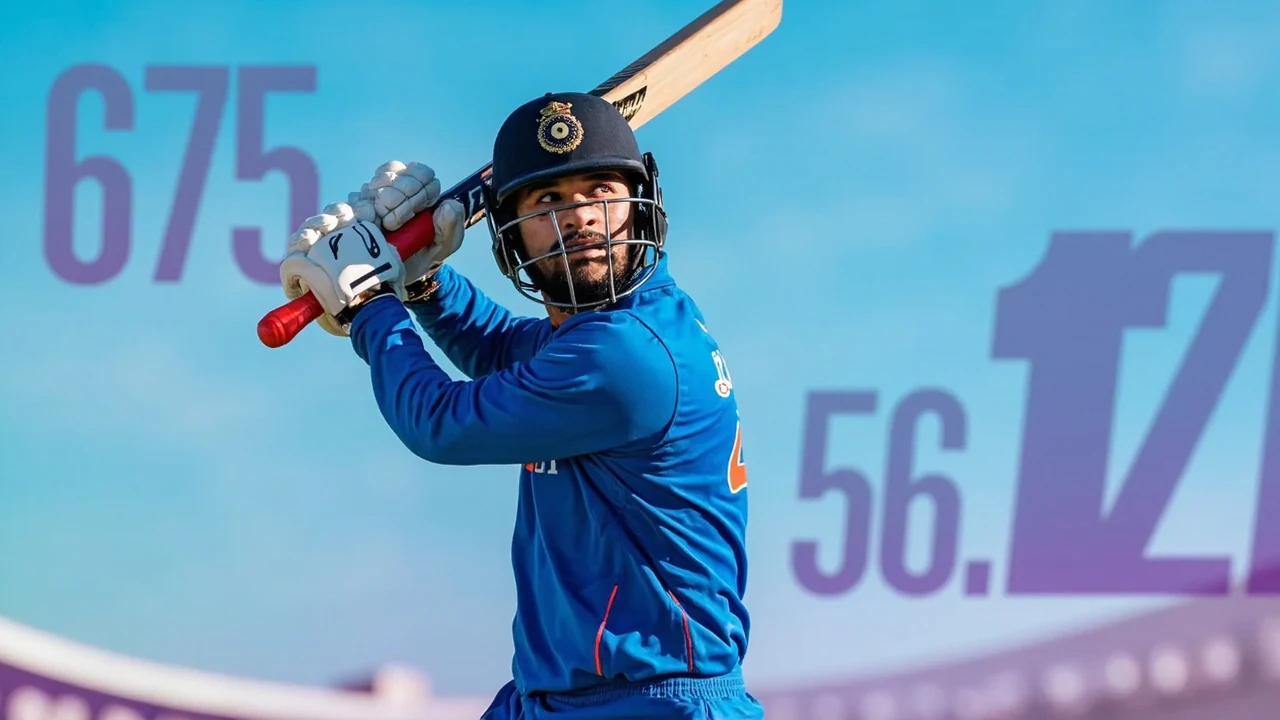
Virat Kohli finished IPL 2026 with 675 runs for Royal Challengers Bengaluru, the fourth-highest aggregate in the tournament. The BBC's season leaderboard placed him behind Vaibhav Sooryavanshi, Shubman Gill and Sai Sudharsan, while the RCB season record identified him as the franchise's leading scorer. His listed batting average was 56.25, also fourth among the qualified tournament leaders. Those two numbers—volume and average—are the factual starting point for this retrospective.
The context matters as much as the total. RCB topped the league table with 18 points, beat Gujarat Titans in Qualifier 1 and defeated them again in the final to win a second consecutive title. Kohli therefore accumulated his runs across a full campaign rather than a shortened season. For Halaplay users reviewing past performance, the 675-run total is evidence of sustained top-order access, role security and repeated involvement in meaningful innings.
It is not a promise about his next match. IPL 2026 is complete, so every figure in this guide describes what happened. A future selection still needs current squad news, the confirmed XI, the toss and the pitch report. The useful question is not whether 675 runs automatically made Kohli the best fantasy captain; it is which repeatable parts of that season created a dependable scoring floor.
Why the chase-anchor angle is fresher than another form guide
Most player summaries stop at runs, average and reputation. A chase-anchor audit asks a narrower question: when did Kohli's position at the top give him enough time to control the innings, absorb early risk and remain present for the most valuable phases of a chase? That angle is practical because fantasy scoring rewards opportunity before it rewards narrative. A batter cannot collect accumulation, boundary or milestone points after an early dismissal, regardless of his career record.
RCB's opening match offered a clear example of the role. Against Sunrisers Hyderabad on 28 March, the target was 202 and Kohli made an unbeaten 69 from 38 balls as RCB completed the chase in 15.4 overs. The innings showed the attractive version of the profile: top-order entry, a demanding but reachable target, enough boundary pressure to lift the ceiling, and enough control to stay at the crease while the chase accelerated.
That example should not be turned into a universal rule. Chases can reduce opportunity when the target is too small, become chaotic when the required rate is extreme, or expose a batter to high-quality new-ball movement. The audit therefore treats 'chase anchor' as a match-script advantage that must be confirmed, not a label that overrides conditions.
Opportunity share: why top-order balls built the floor
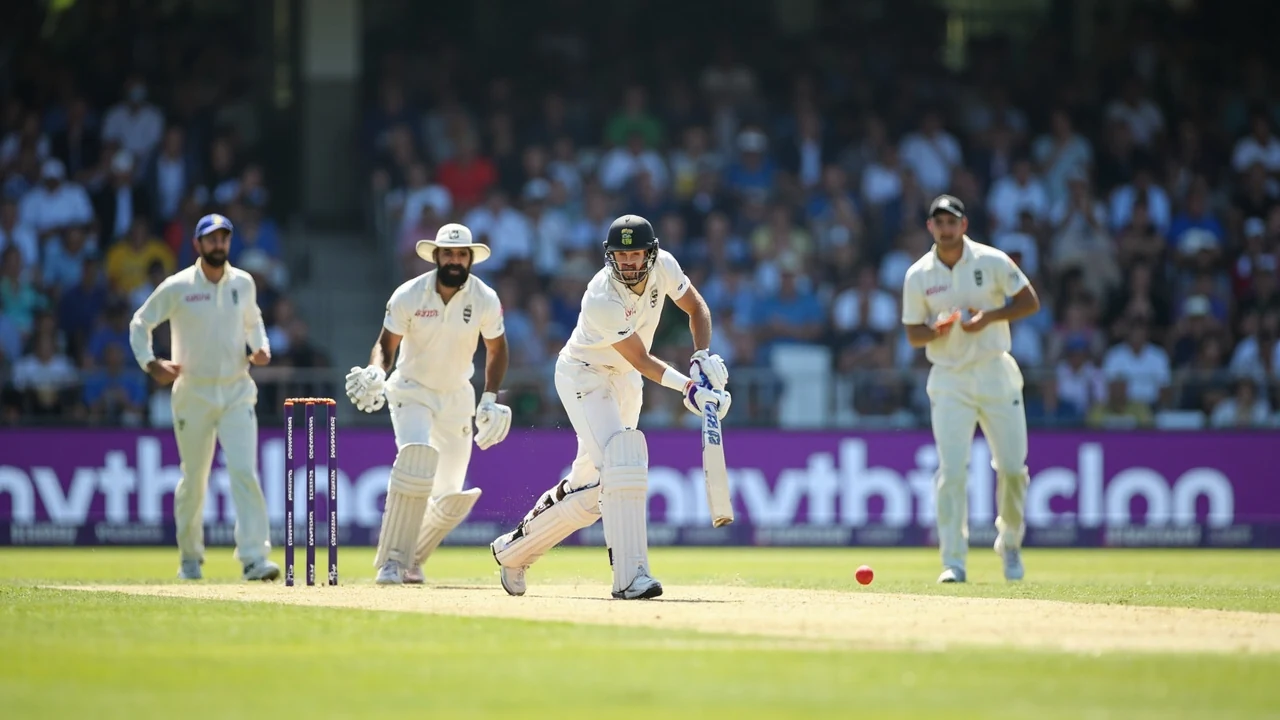
Top-order batting supplied Kohli with the largest theoretical share of legal deliveries in an RCB innings. That mattered because his fantasy floor did not depend on one late cameo. When the opener survived the first movement and remained through the powerplay, he could score in several ways: boundaries during field restrictions, strike rotation through the middle overs, partnership bonuses where applicable, and milestones if the innings extended.
The role also reduced one common fantasy uncertainty. Finishers may enter anywhere from the twelfth over to the final three balls; an established opener normally knows when his opportunity begins. The unknown is how long it lasts. This makes early-dismissal risk the central downside and total ball access the central upside. Halaplay users should frame the decision around that distribution rather than around a vague claim that an experienced batter is always safe.
A useful pre-match estimate is expected balls faced. Start with batting position, adjust for projected target and venue, then discount for the opposition's strongest powerplay bowler. If the estimate remains high, Kohli's run floor becomes attractive. If a tiny chase, difficult seam conditions or a severe matchup cuts that estimate, captaincy should move toward a player with two scoring disciplines or a bowler guaranteed four overs.
Captain versus vice-captain: floor, ceiling and contest size
Kohli's completed-season profile made him easier to defend as a vice-captain than as an automatic captain in every contest. The average of 56.25 suggested a high-output campaign, and 675 runs confirmed volume, but doubled captain points magnify both success and failure. A captain needs a strong path to exceptional involvement, not merely a respectable median outcome.
In head-to-head and small leagues, the chase-anchor floor can be valuable when RCB is pursuing a normal target on a true surface. Popularity is less harmful in those formats because avoiding a low score often matters more than creating a rare combination. In mega contests, a heavily selected Kohli captain can leave little differentiation. A role-secure all-rounder, a death bowler or another top-order batter with a better matchup may offer similar upside at lower selection.
The practical split is simple. Use captaincy when target size, surface and powerplay matchup all point toward a long innings. Use vice-captaincy when the role is secure but one meaningful risk remains. Keep him as an ordinary pick when multiple risks stack together. This is a decision ladder, not a celebrity ranking.
Venue and innings order: the post-toss adjustment
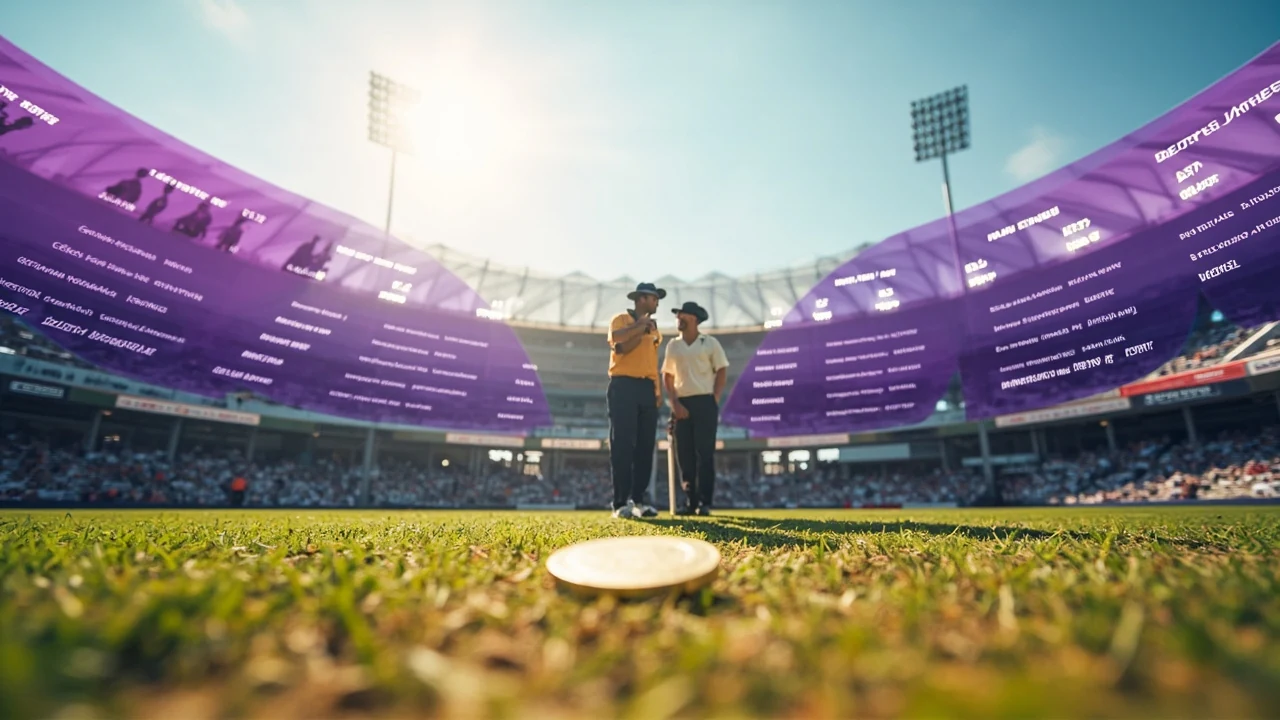
Venue changed the value of the same role. True bounce, a fast outfield and manageable square boundaries supported timed stroke play and rewarded a batter who could stay through the powerplay. A tacky surface or pronounced new-ball movement reduced the early floor, even when the player's season aggregate looked outstanding. Dew could improve a chase by weakening grip for spinners, but it could also create a smaller target if the first innings collapsed.
The toss therefore belongs inside the model. If RCB chased, compare the target with a broad middle band: large enough to require top-order work, but not so large that every early delivery demanded a boundary. If RCB batted first, the anchor value shifted toward platform-building and the likelihood that Kohli would face enough balls before the finishers entered. Neither innings order is automatically superior.
Boundary size is the final venue adjustment. Short square boundaries can turn controlled pulls and flicks into fours without requiring reckless elevation. Larger grounds can reward running but lower boundary frequency. Halaplay users should make this adjustment after seeing the actual pitch and dimensions, not from a venue's reputation alone.
Powerplay matchup audit: where the captaincy risk lived
The most important opposing resource was the new-ball attack. A swing bowler operating at Kohli's stumps, a left-arm angle that moved the ball across him, or a high-pace hard-length pair could compress his first twenty balls. The risk was not only dismissal. A slow start could reduce strike-rate bonuses and force a later acceleration against less favourable bowlers.
Build the matchup check around named roles rather than team labels. Identify who was expected to take overs one and three, whether a second powerplay bowler could attack from the other end, and whether the captain had a plausible reason to save that bowler for later. Then ask whether the pitch amplified seam, swing or bounce. This produces a more honest captaincy decision than using 'Kohli versus Team X' as if every attack were static.
The same logic can create upside. If the opposition lacked a reliable powerplay specialist or repeatedly missed full and good lengths, the opener had more low-risk boundary options. The chase-anchor profile was strongest when early survival and scoring did not conflict.
Building a balanced Halaplay XI around Kohli
Selecting Kohli should not turn a fantasy lineup into an RCB fan sheet. Pair him only with teammates whose roles add independent point routes. One additional top-order batter can benefit from the same batting conditions, while a new-ball or death bowler can score even if RCB's batting underperforms. Bhuvneshwar Kumar's 28 wickets made him RCB's leading wicket-taker in the completed season and illustrated why batting and bowling exposure can be combined without duplicating the same match script.
Rajat Patidar captained RCB in 2026, so leadership should not be confused with Kohli's batting role. Patidar, the wicketkeeper and the all-rounders belonged in the selection conversation only when their confirmed positions and overs justified the credits. A recognizable name without a stable role is not diversification.
Opposition picks keep the team resilient. A strike bowler can still take wickets even if Kohli scores, and a wicketkeeper may collect catches during an aggressive chase. The best correlation is usually controlled rather than absolute: back the central match script, but leave enough routes for the lineup to score if one assumption fails.
A seven-check Halaplay workflow before locking the team
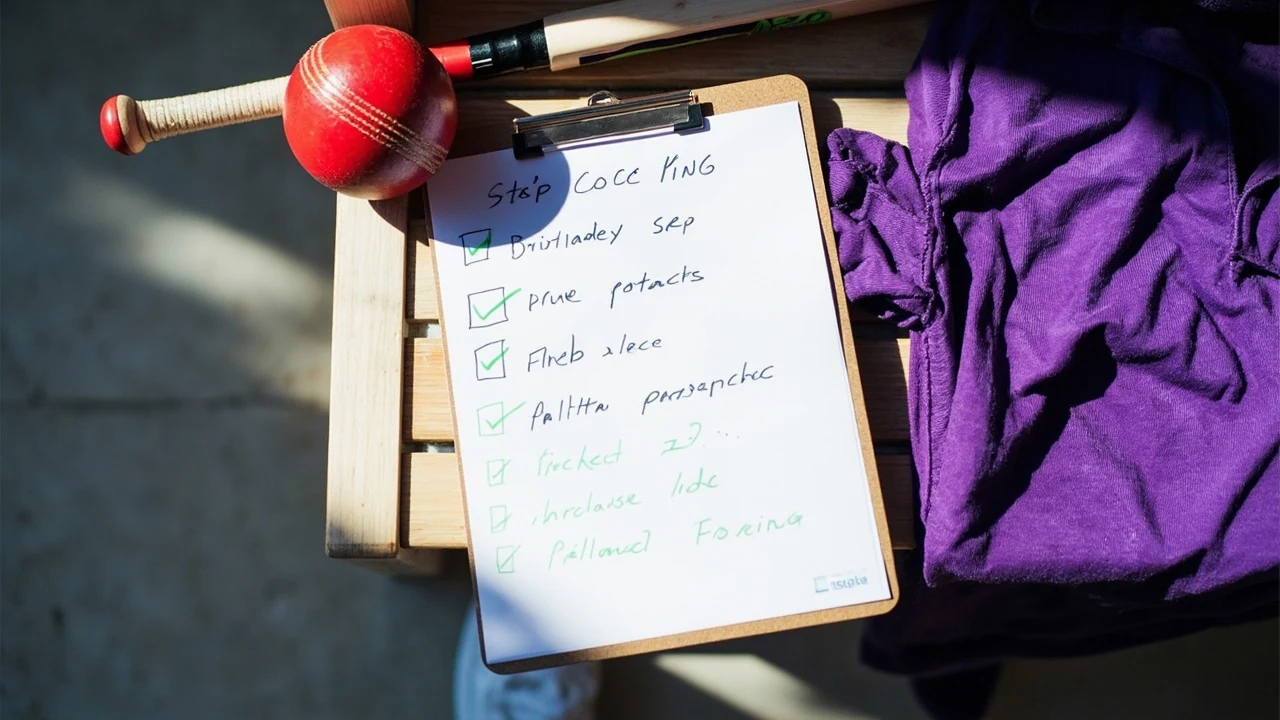
Use a fixed sequence so the completed-season numbers inform the decision without dominating it. First, confirm that Kohli is in the playing XI and opening. Second, read the surface for pace, grip and expected bounce. Third, identify the two likely powerplay bowlers. Fourth, wait for the toss and estimate target or first-innings scoring conditions. Fifth, compare Kohli's credit cost with at least two alternative captain candidates. Sixth, choose contest type before choosing captaincy. Seventh, recheck for late lineup news before the lock.
This workflow prevents hindsight bias. The 675-run result makes the starting case strong, but each current input can move the decision up or down. A perfect venue with a weak new-ball matchup may justify captaincy; a difficult surface with a small chase may reduce him to a core selection; an uncertain batting position would be a reason to avoid the multiplier.
Record the reason for the final choice in one sentence. For example: 'Vice-captain because the top-order role is secure, but the left-arm new-ball matchup lowers the captain ceiling.' A written reason makes the post-match review useful and stops a single result from rewriting the process.
What IPL 2026 did—and did not—prove
IPL 2026 proved that Kohli remained a high-volume scorer in a championship RCB side. The verified season record showed 675 runs, a 56.25 average and fourth place on the tournament run list. It also showed a stable franchise role under captain Rajat Patidar, not a return to formal RCB captaincy. Those are durable historical facts.
The season did not prove that every chase would suit him, that he should be captain in every fantasy format, or that past output could replace current information. A player can preserve his skill while conditions, opposition plans and batting partners change. Responsible fantasy analysis separates evidence from certainty.
For Halaplay users, the clean conclusion is to treat Kohli as a strong starting candidate whose multiplier depends on opportunity. The chase-anchor angle becomes actionable only after the target, venue and powerplay matchup are known. Start with the role, test the risks, then assign captaincy—never the other way around.
Frequently asked questions
How many runs did Virat Kohli score in IPL 2026?
Kohli scored 675 runs for RCB. The BBC season leaderboard placed him fourth in the tournament, and the RCB season record listed him as the franchise's leading run-scorer.
What was Kohli's IPL 2026 batting average?
The qualified season leaderboard listed his average at 56.25, fourth among the tournament leaders in that category.
Was Virat Kohli RCB captain in IPL 2026?
No. Rajat Patidar was RCB's captain. Kohli remained the senior top-order batter and the team's leading run-scorer.
Why call Kohli a chase anchor?
The phrase describes the scoring route created when a top-order batter survives the powerplay and stays involved through a substantial chase. It is a match-script description, not a guarantee.
Should Kohli always be captain on Halaplay?
No. Captaincy should depend on the confirmed XI, batting position, target, pitch, powerplay matchup, credit cost and contest size.
Which sources verify the 675-run total?
The BBC's IPL 2026 statistics article and the 2026 Royal Challengers Bengaluru season record both list Kohli at 675 runs. The BBC also lists a 56.25 average.
Build from role, not reputation
Review the confirmed XI, pitch, toss and powerplay matchup before entering any contest. Explore the Halaplay player hub, our fantasy tips and the fantasy cricket hub.
Last updated: 19 July 2026. Historical IPL 2026 figures remain fixed; future selection advice must be refreshed with current match information.