What The Rumour Actually Is
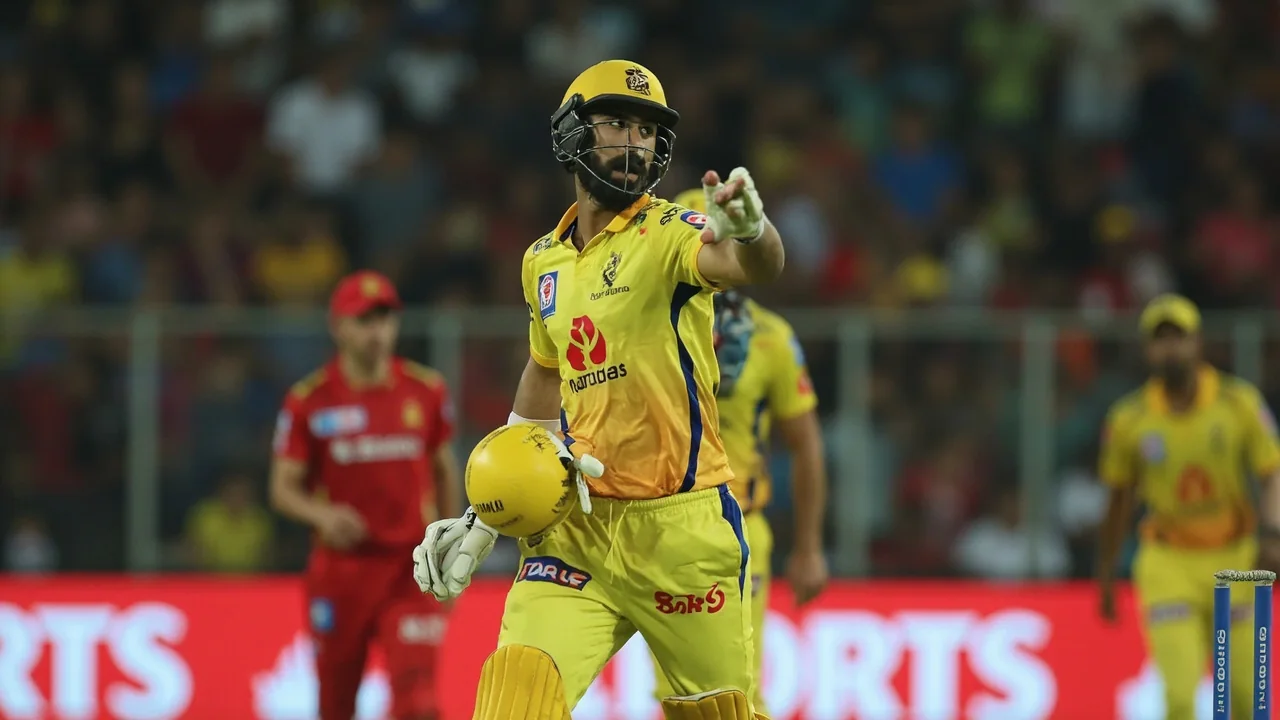
Talk of Hardik Pandya moving from Mumbai Indians to Chennai Super Kings has moved past the rumour-mill phase and into franchise circles. The timing is not accidental. CSK made a marquee trade for Sanju Samson from Rajasthan Royals at the previous window, and that deal reset their batting order around a new Indian top-order hub. The Pandya conversation is the next step in the same chain of thinking, except the player being targeted is more expensive, more controversial, and more central to the franchise he would leave behind.
For now, the structure of any deal remains hypothetical. But the logic is straightforward. CSK have been chasing an Indian seam-bowling all-rounder since Dwayne Bravo's exit, and the domestic options have not materialised. Since Bravo stepped away from the league, the CSK attack has been held together by Jadeja, a part-time seam option on flat decks, and by the overseas seamers who rotate through the XI. Pandya, when fit, is the rare Indian seam-bowling all-rounder who can bowl four overs at the death and bat at four or five. For CSK, that combination has been missing from their auction pool for three cycles running.
Why The Window Matters
Two off-field changes are forcing the conversation forward. MS Dhoni has wound down his playing role, and longtime head coach Stephen Fleming is set to step away after the next cycle. That kind of simultaneous leadership turnover usually pushes a franchise into rebuild mode. CSK are instead trying to use the moment to rebuild on their own terms, which means buying impact talent rather than selling it. The Samson trade proved they have the appetite for that, and the Pandya rumour is a continuation of the same appetite at a much higher price point.
For fantasy cricket managers who watch squad movement on the Halaplay dashboard, the behavioural shift is the headline. CSK are no longer the slow-burn, depth-first side that won three titles between 2018 and 2023. They are willing to spend premium Indian assets in a trade window rather than wait for the auction to deliver a replacement. That changes how fantasy managers should read pre-auction lists — the rumour stage is now a fantasy-relevant price-setter in its own right.
Scenario One: Dube And Mhatre To Mumbai
The first scenario on the table sends Shivam Dube and top-order prospect Ayush Mhatre to Mumbai. Mhatre sat out most of last season with a hamstring injury, which complicates his valuation, but his ceiling is the reason he is in the conversation. For CSK, moving him out would free two Indian batting slots, open the purse for overseas quicks, and finally fill the Bravo-shaped hole in their XI. The franchise has watched Mhatre close enough to know the risk profile, and the hamstring appears to be the only real flag.
For Halaplay owners who hold Dube in their watchlists, this scenario is the cleaner re-rating event. Dube's role at CSK over the last three cycles has been a finisher who clears the rope at number six and bowls a couple of tight overs. At Mumbai, under Hardik's captaincy, the batting position stays similar but the surrounding order is deeper, which historically inflates the ceiling at the Wankhede. Expect him to slot in around the 10-credit band he already occupies, with the question being whether the role upgrade lifts his ceiling above the current 80-point match ceiling he has held.
Scenario Two: Dube And Brevis To Mumbai
The second scenario trades Dube plus Dewald Brevis. That deal frees an overseas slot at CSK and reshapes the attack around Matt Henry, Nathan Ellis and Noor Ahmad, with Matthew Short floated as an opening option. The shape of the XI changes considerably. Instead of relying on an overseas match-up bat in Brevis at number three or four, CSK would lean on Pandya to bat higher up the order and on Jadeja to anchor the middle overs. It is a higher-variance XI than CSK fans have been used to, and it is the scenario that most clearly signals a strategic reset rather than a depth tweak.
The math gets delicate quickly. CSK would carry four overseas players across the XI — Henry, Ellis, Noor Ahmad and Short — with the fifth slot kept open for an Impact Player substitute depending on conditions. The bet is that Jadeja and Pandya together can absorb the runs Brevis would have scored in the middle overs, and that the four-overseas attack delivers more wickets per match than the current configuration. If that bet lands, the trade looks like a structural upgrade. If it does not, the side is thinner than the one Dhoni and Fleming used to send out.
What Pandya Unlocks For Gaikwad
The most interesting tactical consequence is what the move lets captain Ruturaj Gaikwad do with the Impact Player rule. Under the current CSK structure, the slot has been used as a necessity rather than a luxury — often a like-for-like swap of an Indian batter for an Indian bowler, or a death bowler swap depending on conditions. With Pandya in the XI, the slot becomes a tactical tool instead of a constraint. Sarfaraz Khan has been floated as a specialist middle-order option for the batting-depth phase, and Rahul Chahar as a wrist-spin pick when the surface turns.
For Halaplay fantasy managers, that changes the captain calculus on turning tracks. With Pandya and Jadeja operating in tandem through the middle overs, a CSK bowler becomes a more credible captain pick at Chepauk, where two wrist-spinners in the same XI shifts the expected wickets-per-innings line. The trade is therefore not just a player move — it is a structural permission slip for Gaikwad to construct XIs he could not have built in the Bravo era or the post-Bravo transition.
The Mumbai Side Of The Calculation
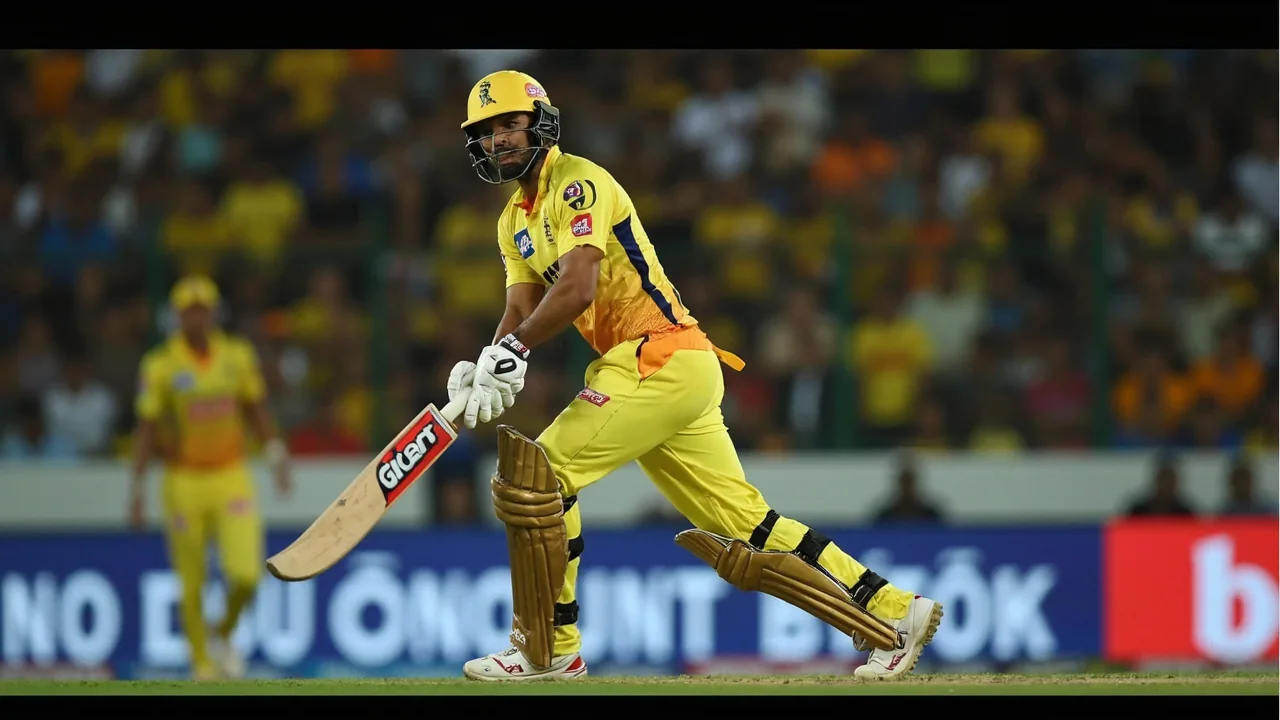
Mumbai's incentive in this conversation is harder to read, but it is real. The five-time champions have carried one of the heaviest all-format workloads on Pandya in recent seasons, and his availability has become a season-by-season question rather than a settled fact. A trade lets them reset the salary band, bring in Dube as a controllable seam-bowling all-rounder in the 8 to 9 credit band, and pick up either Mhatre as a high-ceiling Indian top-order bat or Brevis as a high-ceiling overseas middle-order option.
If Mumbai take the Mhatre package, the franchise is betting that the hamstring is behind him and that his domestic white-ball record for Maharashtra translates cleanly to the IPL stage. If they take the Brevis package, they are doubling down on the overseas match-up bat profile that has served them well since de Kock's departure. Either outcome gives the franchise salary-cap room and a younger core to build the next cycle around, which is consistent with the broader off-field rebuild underway under the new support staff.
The Fleming Departure Changes The Calculus
Layered over the player conversation is a quieter but more consequential change. Stephen Fleming, CSK's longtime head coach, is set to depart after the next cycle. Fleming built the conservative, depth-first identity that defined CSK through the 2018 to 2023 title runs, and his exit opens a strategic vacuum at the top of the franchise's decision-making structure. The Pandya conversation, by design or by accident, is the first major call of the post-Fleming era.
For fantasy managers, the read-through is that CSK's auction behaviour is likely to shift alongside the trade. Under Fleming, the franchise consistently prioritised Indian death bowling and spin depth over overseas batting depth. The Brevis scenario in particular suggests the next coach will inherit a squad philosophy closer to the modern IPL — pace-heavy, batting-deep, and willing to use Impact Player rules tactically. Pre-season watchlists built around the rumour will look different from the watchlists built around the previous cycle's auction patterns.
What This Means On The Halaplay Dashboard
For readers who play the Halaplay fantasy platform, the practical question is what to do with the rumour in the next two to three weeks before any official confirmation. Three patterns are worth pricing in:
- Hardik Pandya's Halaplay credit band has sat at 11 across the last two cycles. At CSK, with the Impact Player rule used tactically and a defined batting slot at four or five, his expected ceiling moves up a tier on Chepauk's slower tracks and stays put on the road.
- Shivam Dube's credit band of 9.5 to 10 is largely a CSK artefact: his value comes from finishing at number six with Jadeja at the other end. At Mumbai, he will bat in similar positions but with different bowling match-ups around him. Expect a temporary 0.5-credit drop, then a re-rating once the first three games confirm his role.
- Ayush Mhatre, if the first scenario is taken, becomes a Halaplay watch-list pick. His domestic white-ball record for Maharashtra has him priced around 7.5 credits when fit. The hamstring is the only flag, and Mumbai's medical team will set the timeline.
Taken together, the rumour is a re-rating event for at least four Halaplay-relevant players and a structural shift for the CSK XI. Fantasy managers who build their pre-season watchlists around the rumour — rather than the rumour becoming a roster fact — will be ahead of the curve when the auction window opens.
Separating Confirmed From Reported
It is worth separating the verified elements from the reported ones. The Samson trade from Rajasthan Royals to CSK last season is a matter of record and has been confirmed by both franchises. The Pandya conversation is reported but not signed off. The two package structures — Dube plus Mhatre, or Dube plus Brevis — are circulating in trade conversations and have been covered in the press, but neither franchise has issued a statement. The Gaikwad Impact Player usage plan, the floated names of Sarfaraz Khan and Rahul Chahar, and the Stephen Fleming departure timeline are all part of the same reporting cycle but remain in the rumour bucket.
What is verifiable from the franchise's recent behaviour is the willingness to act. CSK have shown, through the Samson deal, that they will spend premium Indian assets to solve structural problems. That history is the strongest evidence that the Pandya conversation is real, even if the final package shape remains uncertain. Until an official confirmation arrives, the rumour is the trading floor — not the closing price.
How This Fits The Wider Trade Window
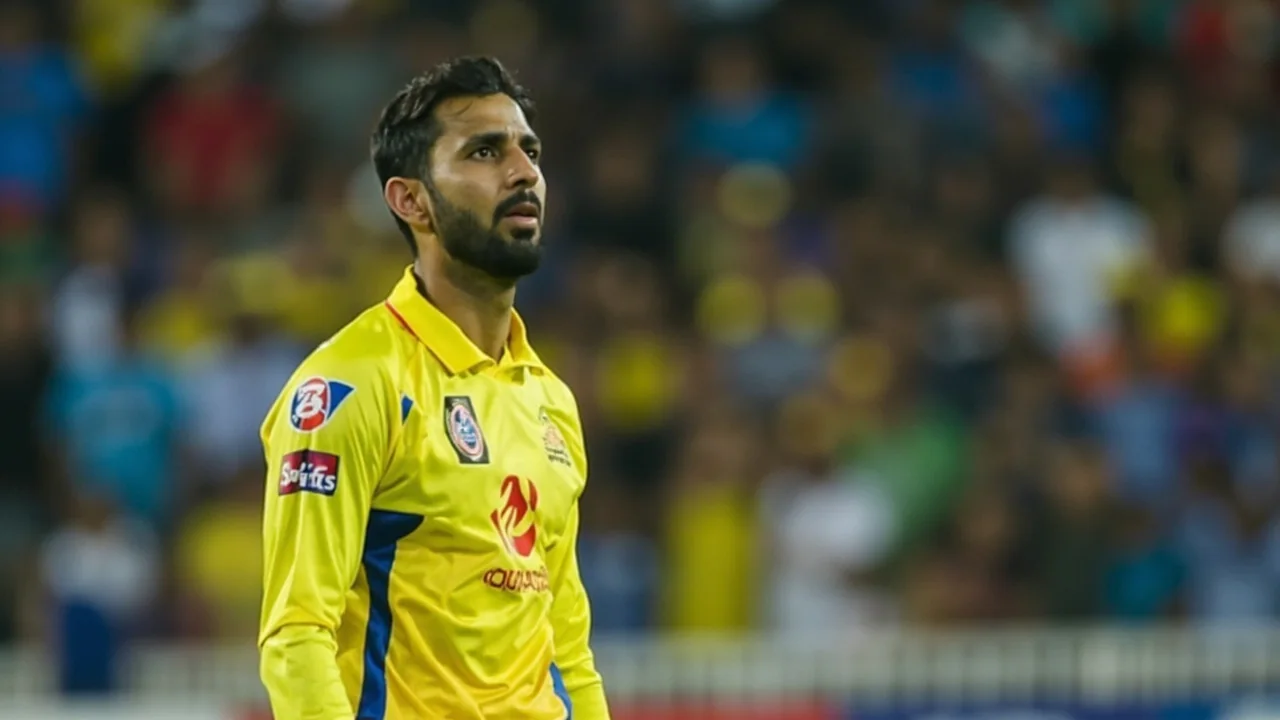
The Pandya conversation sits inside a busier-than-usual IPL trade window. Across the league, multiple franchises are using the window to correct structural imbalances that the mega-auction did not fully resolve. Samson to CSK, Jadeja to RR, Shami to LSG — the pattern from the previous cycle established trades as a primary lever, and the Pandya rumours continue that trend at the top end of the salary band. For fantasy players, the practical implication is that the next 30 to 45 days of trade news will shape more roster outcomes than the auction itself.
On Halaplay, that means fantasy managers should be tracking trade news as actively as form news through July and into August. A successful trade re-prices four or five players overnight, and the platform's credit bands typically take two to three match-days to fully adjust. Building a watchlist of trade candidates — Dube, Mhatre, Brevis, Pandya, Sarfaraz Khan, Chahar — is the most efficient way to stay ahead of the move, and the watchlist is more useful the earlier it is built.
What To Watch Next
Two events will resolve the rumour. The first is an official announcement from either franchise, expected before the trade window's formal deadline. The second is a public appearance by either Pandya or Dube in franchise kit at a pre-season camp, which has historically been the leak point for trades that are agreed but not yet announced. For readers of the Halaplay teams coverage, the through-line is that CSK's squad philosophy is changing in real time, and the Pandya conversation is the single largest signal of that change.
For fantasy managers, the immediate task is to hold off on CSK and MI roster decisions until the package shape is confirmed. The difference between the Mhatre scenario and the Brevis scenario is the difference between a CSK XI with two Indian seam options and a CSK XI with three overseas quicks — two completely different fantasy landscapes. Wait for the announcement, build the watchlist now, and be ready to move the day the trade clears.
Frequently Asked Questions
Are Chennai Super Kings actually trading for Hardik Pandya?
Chennai Super Kings are reportedly exploring a trade with Mumbai Indians for Hardik Pandya ahead of the next IPL cycle, according to reporting by Sportstar and other outlets. The trade has not been officially confirmed by either franchise as of 28 July 2026.
What would Mumbai Indians get in return for Pandya?
Two rumoured package structures have been reported. The first would send Shivam Dube and top-order prospect Ayush Mhatre to Mumbai. The second would send Dube and Dewald Brevis to Mumbai, freeing an overseas slot for CSK.
Why is CSK interested in Pandya?
Pandya would solve CSK's long-standing structural gap at Indian pace-bowling all-rounder, the role Dwayne Bravo held until his retirement. It would also give Ruturaj Gaikwad a second genuine Indian middle-order match-up bat and free the Impact Player rule for tactical use rather than necessity.
How does this affect fantasy picks on Halaplay?
The trade is a re-rating event for at least four Halaplay-relevant players. Pandya's ceiling moves up at CSK on slower tracks, Dube's role is preserved at Mumbai but with different batting depth around him, Mhatre becomes a watch-list pick if the first package is taken, and Brevis's Halaplay value depends entirely on whether CSK or Mumbai holds the overseas slot.
Is Stephen Fleming leaving CSK?
CSK's longtime head coach Stephen Fleming is set to depart after the next IPL cycle, according to multiple reports. The Pandya trade would be the first major squad decision of the post-Fleming era and signals a shift in CSK's strategic philosophy.