#LSG#IPL 2026#Mini-Auction#Fantasy Cricket#Abu Dhabi
What LSG actually took into the Abu Dhabi room on 15 December 2025
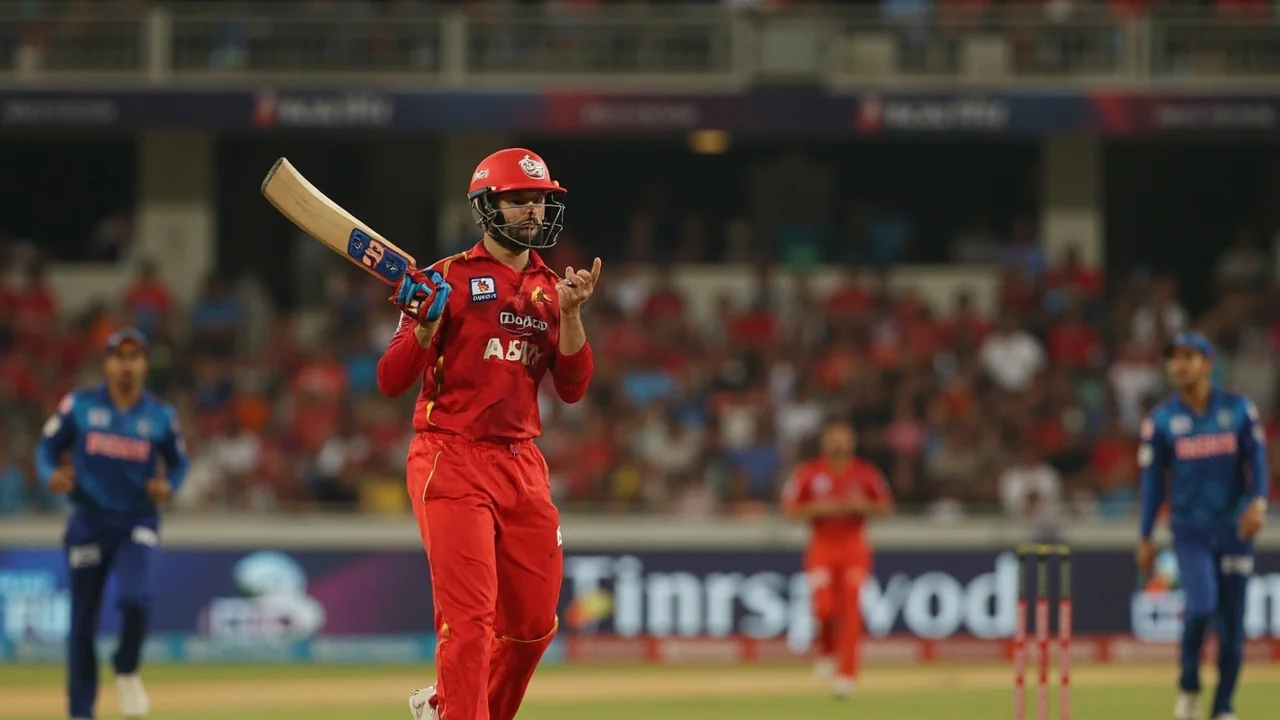
The mini-auction brief Firstpost described on 15 December 2025 was unusually specific. Lucknow Super Giants were not rebuilding. They were patching a 17-player core that had fallen short of the IPL 2025 playoffs after a campaign the original Firstpost piece described in plain language as one that "fizzled out." Rishabh Pant was the captain. Nicholas Pooran, Abdul Samad, Ayush Badoni, Aiden Markram, Matthew Breetzke, Himmat Singh, Mitchell Marsh, Shahbaz Ahmed, Arshin Kulkarni, Mayank Yadav, Avesh Khan, Mohsin Khan, M Siddharth, Digvesh Rathi, Prince Yadav and Akash Singh made up the rest of the retained group. Seventeen names. Six slots open. Rs 22.95 crore to spend. Four of those slots were overseas.
For fantasy managers building Halaplay teams ahead of IPL 2026, that 17-versus-6 split mattered. A retained list of that size told you exactly where the franchise had conviction — top-order batting through Pant, Pooran, Markram, Marsh and Badoni, a fit-again seam group around Mayank Yadav and Avesh Khan, and a young Indian spin and pace bench in Shahbaz Ahmed, Digvesh Rathi, M Siddharth and Prince Yadav. The six open slots were not generic headroom. They were a confession of where the squad was thin.
The four overseas gaps Firstpost named, and why they mattered for fantasy points
Firstpost's gap analysis was unusually blunt. The franchise needed an overseas middle-order finisher, an Indian seam-bowling allrounder, one or two foreign seamers, and ideally a like-for-like replacement for the released leg-spinner Ravi Bishnoi. Three of those four needs sat in the overseas column. With four overseas slots to fill and a 22.95 crore purse to work with, the math was generous — average spend per overseas slot was north of five crore if the franchise spread evenly, but a single marquee buy at nine to ten crore would have eaten close to half the war chest.
For fantasy managers, the gap list was a captaincy cheat-sheet. Every name that filled one of those four roles would land in a Halaplay ownership band above 40 percent on day one of the season. The release of Bishnoi was the headline move because it removed an established fantasy matchup — Bishnoi versus left-handers, Bishnoi in the powerplay — and created a vacancy that the entire middle-order batting pool would react to. Whoever replaced him would not just be a wrist-spin option. They would be a structural change to how Pant deployed his attack in the middle overs.
Why Livingstone, Short and Connolly were the headline overseas batting targets
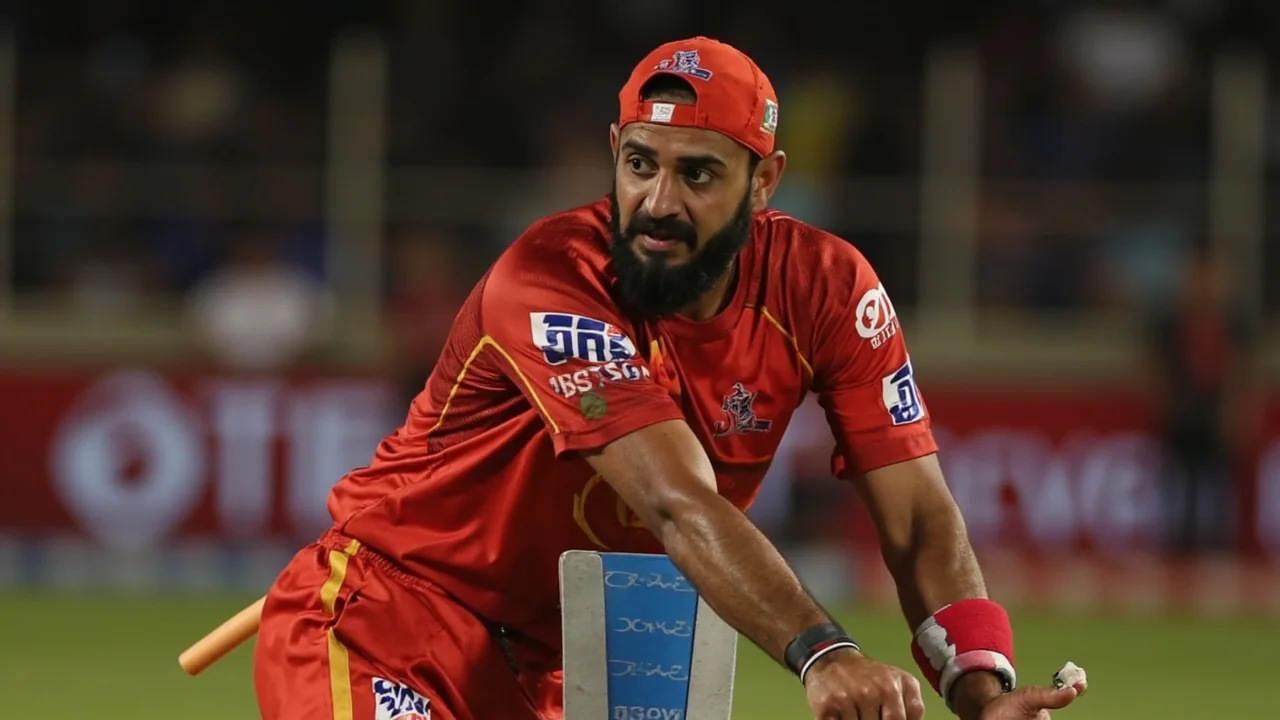
The Firstpost piece named three overseas batters as the headline targets: Liam Livingstone, Matthew Short and Cooper Connolly. The choice was not random. Livingstone is a middle-order finisher who bowls off-spin and fields in the deep — a single player that solves two of LSG's four needs at once if used in the right matchup. Short is a top-order batter who bowls off-spin and has Big Bash League pedigree at the kind of slow, turning surfaces that some IPL venues produce in the back half of the season. Connolly is the youngest of the three, an Australian allrounder who broke through at the Perth Scorchers and batted in the top four for Western Australia.
The framing Firstpost used was worth noting. Connolly was not listed purely on form. The piece flagged a possible Western Australian pipeline that could favour a move to LSG, given that head coach Justin Langer has deep ties to Australian cricket and specifically to the WACA and Scorchers ecosystem. For fantasy managers, that signal mattered because Langer-led franchises tend to bring two or three Australians into the squad, not one. If LSG did go down the Connolly route, the read-across was that a second Australian — most likely a seam-bowling allrounder — would follow. Jason Holder, Wiaan Mulder and Abhinav Manohar were named as alternative finisher options if the franchise pivoted away from the three primary targets.
The bowling shortlist: Matt Henry, Pathirana, Ashok Sharma and the Rahul Chahar insurance policy
Firstpost's bowling shortlist was tighter and easier to map. Matt Henry, the New Zealand seamer, was the headline target on the overseas seam-bowling list. Henry has been a consistent wicket-taker in ICC white-ball cricket and offers the kind of new-ball discipline that complements Avesh Khan's aggressive lengths. Matheesha Pathirana was named as a wildcard — the Sri Lankan death-overs specialist whose slower-ball yorker is one of the most bankable skills in T20 cricket, but whose injury history and IPL auction history have made him a complicated buy in past cycles.
The Indian seam-bowling lane went through Ashok Sharma, the leading wicket-taker of the Syed Mushtaq Ali Trophy 2025. Firstpost named him explicitly as the SMAT 2025 leading wicket-taker, which was the statistical headline that justified his elevation from domestic cricket to an IPL franchise's headline buy. For fantasy managers, Ashok Sharma was the most asymmetric name on the list. He carried no IPL track record, which meant no public ownership data and no price discovery. If LSG bought him, he would enter Halaplay ownership bands at a low single-digit percentage and offer genuine differential value in the first two weeks of the season. The fourth bowling name, Rahul Chahar, was the conservative buy. Chahar was framed as a low-risk Bishnoi replacement — a wrist-spinner who has already played IPL cricket, takes wickets in the powerplay, and offers zero projection risk. If LSG went conservative, Chahar at six to seven crore would have closed the Bishnoi gap with no public upside. If they went aggressive, the Ashok Sharma route at three to four crore plus a Pathirana wildcard at nine to ten crore was the high-variance path.
What the purse split would have meant for fantasy ownership bands
Working through the math Firstpost implied, a balanced LSG shopping list would have looked like this: one marquee overseas batter at nine crore, one marquee overseas seamer at six to seven crore, one Indian seam-bowling allrounder at three to four crore, one Indian wrist-spinner at five to six crore. That accounts for 23 to 26 crore of the 22.95 crore purse — which is exactly why the Firstpost piece flagged the squad as "top-heavy." The franchise could not afford to fill all four overseas slots at top-of-the-market prices. Something had to give. The most likely give was the second overseas seamer, where LSG could pick a value buy at two to three crore from a domestic-cricket convert or a returning player.
For fantasy managers building Halaplay teams for the first week of IPL 2026, the ownership math translated cleanly. Marquee buys — Livingstone, Henry, Connolly, Ashok Sharma — would enter the 40-to-60 percent ownership band on day one and stay there for the season. Value buys — the second overseas seamer, the second Indian spinner if Chahar did not come — would enter at 8-to-15 percent ownership and offer differential upside for the first three or four matches before the field caught up. Captain picks on opening night were almost certain to be a marquee LSG buy, but vice-captain picks were where the value-buy signal lived.
The Langer factor and what a Western Australian pipeline would have looked like
Justin Langer's fingerprints were on the entire mini-auction plan, and Firstpost made that connection explicit. Langer coached Australia, has lived in Perth, and has documented relationships across the Western Australian cricket system. The piece flagged the Perth Scorchers pipeline as a likely recruitment vein, with Connolly as the first name. A second Australian buy — most plausibly a seam-bowling allrounder from the same network — would have completed the picture. Holder, named as an alternative finisher, was the kind of experienced, low-variance Australian Langer has historically favoured for T20 franchise environments.
For fantasy managers, the Langer pipeline mattered because Langer-led squads have a tendency to play two Australians in the same XI. If LSG signed two Australians in the mini-auction, the read-across was that both would be in the playing XI on most surfaces, and the captaincy bandwidth would tilt toward the Australian buy if the match was at a venue where their skill set — usually either power-hitting or death bowling — was best suited. Halaplay users who set up saved squads ahead of the season would have wanted a Langer-template XI in their shortlist from match one.
What this piece tells us about the LSG cycle that followed
Read in retrospect, the 15 December 2025 Firstpost piece was a clean stocktake of the decisions a franchise makes when it knows it has underperformed. The retention list kept the spine that Pant and Langer wanted to build around. The release of Bishnoi admitted that the previous off-spin and leg-spin combination had not delivered. The four-overseas gap list was an honest description of where the squad was thin. And the headline target list — Livingstone, Short, Connolly up top, Henry and Pathirana in the seam lane, Ashok Sharma and Rahul Chahar in the Indian lane — was the kind of recruitment brief that tells fantasy managers which names to watch when the IPL 2026 auction eventually closed.
For readers who came to this page from the Halaplay Winners hub, the takeaway is straightforward. The mini-auction brief Firstpost published on 15 December 2025 is the single best document for understanding who LSG intended to buy and why. The retention math, the purse math, and the gap list together describe a franchise that wanted to keep its batting spine, fix its bowling depth, and add the kind of Australian-Polish-South African-Sri Lankan finish that Langer's network makes accessible. Anyone building a Halaplay fantasy team for the first week of IPL 2026 should keep that brief in their saved-squad notes, because the names it surfaces are the names that will sit at the top of the ownership charts from match one.